Overview & History
Origins and Settlement
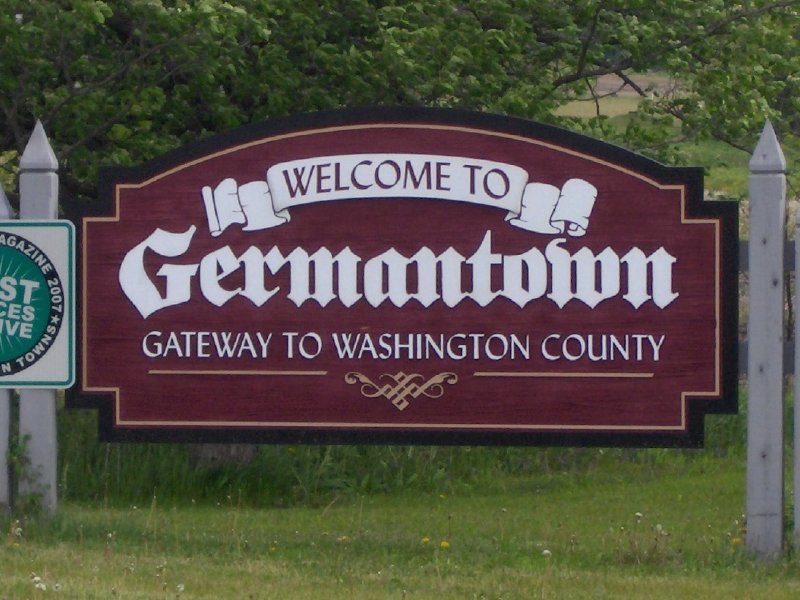
Germantown was originally called “Town 9” in Washington County in the Wisconsin Territory, established in 1846. The area saw a lot of German immigration in the 1840s (from places like Bavaria, Hessen, Prussia, etc.), which is where the name “Germantown” comes from.
Over time, several smaller hamlets (like Kuhburg, Willow Creek, Meeker Hill, Goldenthal, Rockfield, Dheinsville) merged into what is now the Village of Germantown. The village was officially incorporated in 1924, but the modern boundaries really crystallized in the 1960s.
Cultural Heritage
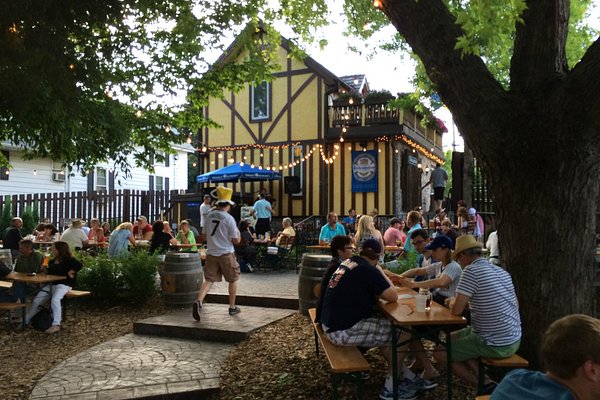
German heritage remains a big part of the town’s identity. In Dheinsville, a historic part of Germantown, you can find traditional half-timber (“fachwerk”) architecture. There are local museums, like the Bast Bell Museum, which has a large collection of bells, reflecting that heritage. The community celebrates German traditions, including an annual Oktoberfest.
Germantown Today
Germantown’s prime locations offer a blend of suburban amenities, historic charm, and convenient access to Milwaukee, with key areas including the highly-rated school district for families, and historic hamlets like Dheinsville for cultural appeal. The proximity to major highways makes it ideal for commuters and businesses seeking growth. Residents enjoy the best of both worlds — peaceful suburban living with easy access to Milwaukee’s shopping, dining, and entertainment just a short drive away. Germantown features excellent schools, well-kept parks, and a variety of local businesses and restaurants that make everyday living easy and enjoyable.
CLICK HERE to learn more about the great Village of Germantown!